Related Posts
DELLA Mitsubishi: Does Your Mitsubishi Need a Brake Repair?
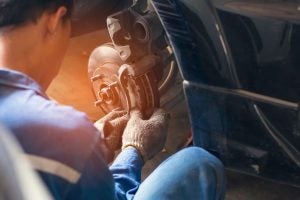
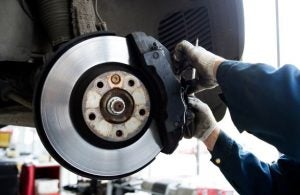
Your Mirage, Eclipse Cross, or Outlander relies on a complex system of components to slow and stop your vehicle. If any of these parts are worn, damaged, or malfunctioning, it can seriously impact your safety. Fortunately, there are ways to determine when the braking system is not performing as it should and a brake repair from your Mitsubishi dealer is necessary. One of the Brake Warning Lights Is On When you start your car, you will notice that the Antilock Brake System (ABS) warning light lights up. However, something is wrong if the light stays on or comes on while you're driving. The ABS light warns that your vehicle doesn't have antilock brakes, but if the brake system warning light is off, you can still rely on your brakes. If your car's brake system warning light comes on, it's crucial to get repairs done as soon as possible. more You Hear High-Pitched Screeching Sounds If you hear a high-pitched screeching sound when you step on the brake pedal, the wear indicators warn you that the brake pads are wearing thin and need to be replaced soon. Brake pads under 3.2 millimeters thick must be replaced immediately to prevent failure. Your Hear Grinding Noises When brake pads wear down completely, the bare metal will scrape against the steel rotors, making awful grinding noises. In extreme cases, the heat will cause your brakes to stick, which is incredibly dangerous. Repairing or replacing damaged rotors can also be quite expensive. You Notice a Brake Fluid Leak Brake fluid leaks will severely affect your vehicle's braking performance. When the brake fluid level drops, it will trigger the warning light. Check for yellow or brown puddles underneath your car that look like oil but don't have an oily consistency. If your car is leaking brake fluid, it's best to get the leak repaired promptly. Your Brakes Are Unresponsiveness When you step on the brake pedal and your brakes feel spongy and unresponsive, it could be due to worn brake pads, an air leak, or a leaking brake hose. It will also take your car longer to come to a complete stop. Addressing these issues immediately is essential to ensure your safety on the road. You Feel Vibrations When Braking If you notice vibrations through your brake pedal during normal braking, the rotors are warped and not making even contact with the brake pads. As your car's rotors get old or thin, they may start to warp. Excessive braking can create a lot of friction and heat, contributing to warping. You Smell a Burning Odor If you smell burning from your brakes, they are overheating and won't provide the stopping power you need to be safe on the road. Pullover, wait for the brakes to cool down, and schedule a brake system repair. The brake system is one of your vehicle's most critical safety features and must always be in perfect working order. If you have a braking problem, stop at DELLA Mitsubishi today, and our team of qualified technicians will perform expert and reliable repairs.

Does Your Mitsubishi Need a Brake Repair?
As time passes, brake components become worn or might sustain damage. Any problem with your braking system reduces your safety, as your brakes need to operate within seconds when you need them to. At your Mitsubishi dealership, we can fix any of these problems for you. These are a few signs that you need a brake repair. Signs You Need a Brake Repair at Your Mitsubishi Dealership Vibrations When You Brake When you hit the brakes, they should respond smoothly, and the only sensation you should feel is the resistance from the braking pedal. If you feel wobbling or vibrations when you brake, this is a sign that you have a brake problem. This type of problem is usually caused by damage to one or more of the wheel rotors. As soon as you step on the brake pedal, the brake calipers grab both sides of each wheel rotor. Brake pads inside the calipers generate friction against the smooth rotor surfaces, and this action stops your wheels. The rotor surface becomes less smooth over time. If a caliper grabs an uneven part of a rotor, it will generate vibrations. We'll examine your rotors and resurface them if needed to correct this problem. more Screeching Noises Noise when you apply the brakes is never a good sign. The brakes are designed to respond quickly but silently. A high-pitched screeching noise is a sign that one or more of your brake pads has worn down. As we saw above, the brake pads generate friction that stops your wheels. The friction material covering a pad gradually wears off, and the pad will need replacement. When a pad reaches its replacement time, a metal spike becomes visible in the friction material. This spike will scratch against the rotor and produce a screeching noise. When you hear this sound, it's time to visit us for replacement pads. If a pad isn't replaced before the material wears off, the metal pad will gouge into the rotor surface and damage it. Replacing your pads is quick and inexpensive and can prevent unnecessary rotor damage. Leaking Brake Fluid Brake fluid allows your braking system to work. It produces the hydraulic pressure that enables the calipers to close on the rotors and stop your car. Brake lines can rust, and brake hoses can develop leaks if they're not regularly serviced. If you have a brake fluid leak, pressure in the braking system will drop, and your brake will become slower to respond. A fluid leak can be difficult to spot, as the fluid is pale yellow. You will notice a lack of fluid when you step on the brake pedal and feel little resistance. We can easily find the cause of the leak and permanently seal it. If you have a brake problem, call us ASAP at DELLA Mitsubish i.
How Often Should You Get an Oil Change? A Plattsburgh Driver's Guide to Mitsubishi Oil Changes
If you own a Mitsubishi and live in Plattsburgh, NY, staying on top of your Mitsubishi oil change schedule is one of the simplest and most important things you can do for your vehicle. Regular oil changes protect your engine, improve performance, and help your SUV last longer - especially through the demanding seasons that come with living in upstate New York. Why Oil Changes Matter for Your Mitsubishi Every Mitsubishi vehicle depends on clean, properly flowing oil to keep its engine components lubricated and running smoothly. Over time, oil breaks down and collects contaminants that can cause friction and wear. Skipping a Mitsubishi oil change - even once - can lead to reduced engine efficiency and, in more serious cases, costly damage that could have been avoided entirely. Mitsubishi's included limited maintenance program covers three oil and filter changes, three tire rotations, three multi-point inspections, and one cabin filter change within specified time and mileage windows. That means if you purchased a new Mitsubishi, your first few oil changes may already be taken care of. How Often Should You Change Your Oil? For most modern Mitsubishi models, a general guideline is to schedule an oil change every 5,000 to 7,500 miles, depending on the type of oil your vehicle uses and your driving habits. Drivers who frequently make short trips, idle in traffic, or navigate cold winters - like those in Plattsburgh, NY - may need to change their oil more often. Always refer to your owner's manual for the manufacturer's recommended interval specific to your trim and engine. Following that schedule is the most reliable way to stay ahead of engine wear and maintain your Mitsubishi oil change routine correctly. Synthetic vs. Conventional Oil - Which Does Your Mitsubishi Need? Many newer Mitsubishi models are designed to use full synthetic oil, which offers better performance in extreme temperatures and lasts longer between changes. Conventional oil, while less expensive, breaks down more quickly and may require more frequent service intervals. If you're unsure which type your vehicle requires, a certified technician can help you identify the right oil grade and formulation. Using the correct oil is just as important as staying current on your Mitsubishi oil change schedule. Signs Your Mitsubishi Needs an Oil Change Now You don't always need to wait for a scheduled interval if your vehicle is telling you something is off. Watch for warning signs like a dashboard oil change reminder, darker or thicker oil on the dipstick, unusual engine noise, or a slight burning smell from under the hood. These symptoms suggest your oil may have degraded and needs to be replaced promptly. Catching these signs early and addressing them with a timely Mitsubishi oil change can save you from more extensive repairs down the road. How Mitsubishi's Warranty Program Protects You Mitsubishi Motors backs its vehicles with a 10-Year/100,000-Mile Powertrain Limited Warranty, along with 5 years of roadside assistance and 2 years of included limited maintenance for original owners. Staying current on routine service - including regular oil changes - is an important part of keeping your vehicle in good standing with your warranty coverage. Proper maintenance documentation also gives you peace of mind and can be valuable if you ever sell or trade in your vehicle. A consistent Mitsubishi oil change history shows prospective buyers or dealers that the vehicle was well cared for. Visit Della Mitsubishi for Your Next Oil Change Keeping up with routine service doesn't have to be complicated. Whether you drive an Outlander, Eclipse Cross, or Outlander Sport, the service team at Della Mitsubishi is ready to help you stay on schedule. Visit Della Mitsubishi ( https://www.dellamitsubishi.com/ /) to learn more about service options and schedule your next Mitsubishi oil change appointment today.