Blog / Car Care Tips Burlington VT

Have a Smelly Car? Find out why!

shutterstock_220314424
We’ve all gotten stuck behind, or even worse, in, a terrible smelling vehicle. There are a number of reasons why your vehicle might be considered the stinky one. Sometimes it’s as small as food rolling under your seat a week ago, but it could be as big as a fluid leak that needs attention. Check out these possible smell creators and see if you can work to get that new car smell back!
  1. Your brakes or clutch needs to be looked at. - If you’re smelling something harsh, acrid, or burning, it could be your clutch or brakes. The reason for it could be riding your brakes, leaving the emergency brake on, a stuck caliper, or frozen parking brake.
  2. There is a leak in your heater core. - If this is the issue, you’re going to smell something sweet. While this might be more pleasant than the previous issue, it’s still not good. If you’re smelling something as sweet as candy, and you know you haven’t lost any in your vents recently, you’re probably smelling antifreeze. You’ll smell it on the inside of your car and you may also notice a filmy fog on the windshield when the heat is on.
  3. Water is getting where it shouldn’t. - We all know that damp musty smell of things left in the washer too long. If you’re getting that in your car, there is probably water pooling somewhere. Leaky doors or windows can let water in so keep an eye out for damp seats or floors.
  4. You have an oil leak. - If oil is leaking and drips on any part of your exhaust system, you’ll smell burning oil. To make things worse it can create a big, thick cloud or blue smoke if it gets bad enough.
  5. The catalytic converter is broken. - These are emissions control components that alter exhaust gasses. When they aren’t working properly, you’ll get a rotten egg smell that you’ll want to address fast.
If you’re experiencing any of these smells in your vehicle, stop by DELLA Mitsubishi. Our service department will be happy to take a look at it for you. Also, be sure to take a look at your service and parts specials, and you could get an even better deal!"Seven Reasons Your Car Stinks." About.com Autos. N.p., n.d. Web. 01 Aug. 2016.
Posted in:

Related Posts

Essential Car Kits to Keep in Your Vehicle

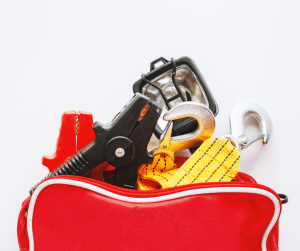
Being prepared on the road is crucial for safety and peace of mind. Whether you're commuting daily or embarking on a long road trip, having the right car kits in your vehicle can help you handle emergencies, unexpected breakdowns, and everyday inconveniences. Here are the essential car kits every driver should keep in their vehicle. 1. Emergency Roadside Kit An emergency roadside kit is a must-have for any driver. This kit should include: Jumper cables Reflective warning triangles or road flares Flashlight with extra batteries Multi-tool or basic set of tools Duct tape Tow strap Tire pressure gauge Gloves and a rain poncho These items can help you address minor vehicle issues or make your car more visible in case of a breakdown. more 2. First Aid Kit A well-stocked first aid kit is essential for treating minor injuries and providing immediate care until professional help arrives. It should include: Bandages and gauze Antiseptic wipes and ointment Adhesive tape Pain relievers Tweezers and scissors Allergy medication Instant cold packs Keeping a first aid kit in your vehicle ensures you're ready to handle minor medical issues on the go. 3. Tire Repair and Maintenance Kit Flat tires are a common issue for drivers. Having the right tools can make a huge difference. Your tire repair and maintenance kit should include: Spare tire (properly inflated) Tire jack and lug wrench Tire sealant or patch kit Portable air compressor Regularly check your spare tire and ensure your repair kit is complete to avoid being stranded. 4. Winter Survival Kit For those who live in or travel through colder climates, a winter survival kit is essential. This should include: Ice scraper and snow brush Thermal blankets or extra warm clothing Hand warmers Sand or kitty litter for traction Folding shovel Non-perishable snacks and bottled water Winter conditions can be unpredictable, so having these items can keep you warm and safe in case of delays. 5. Personal Essentials Kit Sometimes, it's not about emergencies but everyday convenience. A personal essentials kit should include: Bottled water Non-perishable snacks Phone charger or power bank Extra cash Notepad and pen Sunglasses and sunscreen Paper maps (in case of GPS failure) Having these items in your vehicle ensures you're ready for anything, from long trips to unexpected delays. Be Prepared with the Right Car Kits Keeping these essential car kits in your vehicle can help you stay safe, handle emergencies, and ensure a smoother driving experience. At Della Mitsubishi, we care about your safety and comfort on the road. If you need vehicle maintenance or accessories to enhance your driving experience, visit us today!

6 Signs Your Mitsubishi Needs an Oil Change

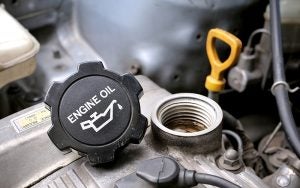
If there's one crucial car maintenance task that you never want to miss, it's changing the oil. It's important always to follow a suitable oil change schedule for your vehicle, oil, and driving habits. Also, watch out for the following signs of low or deteriorating oil, and don't hesitate to visit your local Mitsubishi dealership to have it refreshed. Your Oil Level Is Low At any time, you can use the dipstick to check the level of your oil. It's advisable to do this frequently. Always park the car on level ground beforehand to ensure an accurate reading. If your oil is low, have it topped up or changed at once. Your Oil Looks Dirty When you draw out the dipstick, if the oil looks dark and grimy, it's probably time to refresh it. When new, motor oil is typically amber in hue, fading to brown as it ages. Dark brown or black usually indicates the oil is too old and degraded. And if the oil is any other color, such as milky or creamy, you might have coolant leaking into the engine and mixing with the oil, which must be resolved at once. more You See the Motor Oil Warning Light The lights on your instrument panel will usually let you know if you need to change your oil. Never ignore the motor oil warning light. Likewise, pay heed to the check engine light, which could have been triggered by engine trouble related to bad motor oil. Your Engine Makes Odd Noises When low or aging oil fails to lubricate properly, you might hear knocking sounds from the engine. And if the additional friction is causing overheating, you might hear ticking sounds and the engine's power will begin to drop. You See Smoke in Your Exhaust Fumes If a piston seal springs a leak, it's possible for motor oil to seep into the combustion chambers. When this occurs, you're likely to see strange bluish smoke emit from the tailpipe. Change Your Oil Twice a Year at Your Mitsubishi Dealership Most engines stay healthy when the oil is changed biannually, although it really depends on how much you use your car. You can easily arrange routine oil servicing with us; we can help you set up the perfect schedule for your particular driving habits and needs. Visit DELLA Mitsubishi in Plattsburgh, NY, to have your motor oil promptly refreshed.

Is Your Engine Misfiring? Visit Your Mitsubishi Dealer Today

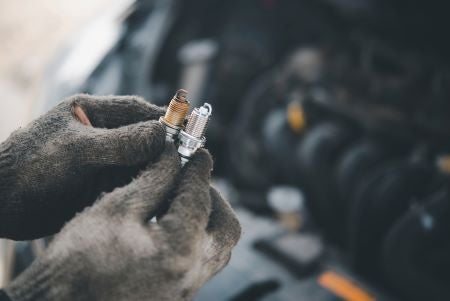
A car engine misfires when one or more cylinders fail to produce power. An engine misfiring can cause a range of serious issues, from increased gas mileage and stalling to a surge in exhaust emissions and severe engine damage. Take your vehicle to your Mitsubishi dealer for repairs to avoid significant damage and high repair costs. What Is a Misfire? The heart of the internal combustion engine is its cylinders, each housing a piston that moves up and down, orchestrating four vital cycles. It all begins with the intake of a mixture of air and fuel into the combustion chamber. Next, the compressed mixture is ignited by a spark plug. This ignition then triggers a powerful combustion that drives the piston downward, powering the crankshaft. A car misfires when one or more cylinders fail to generate power, often stemming from an inadequate spark or a lack of compression or fuel. more Why Does a Car Misfire? Ignition Problems The ignition coil powers the spark plugs; if it's faulty, the spark plugs won't receive enough electric current. If a spark plug generates a weak spark or fails to spark, the cylinder will not fire and fail to produce power. Issues With the Air and Fuel Ratio The fuel pump delivers gas to the engine. If the pump malfunctions, not enough fuel will reach the combustion chambers. A faulty or clogged injector, congested with residue and tiny carbon particles, will limit the amount of fuel available for combustion. Initially, misfires may occur infrequently, but as the residue accumulates and the injectors become more clogged, the misfires become more frequent. A clogged fuel filter will obstruct fuel flow, and a leaking manifold gasket will cause the cylinders to draw in excess air, both of which will disrupt the air and fuel balance, creating a lean environment that could cause misfires. Mechanical Failures The piston rings act as a barrier, sealing the combustion chamber from the other parts of the engine. Piston rings allow vacuum and pressure buildup during the combustion process. Damaged piston rings could cause misfires. Intake and exhaust valves facilitate the entry of air and fuel into the combustion chamber and the exit of exhaust gases. If you notice your Mitsubishi is losing power, shaking, vibrating, stalling, consuming more gas, or is difficult to start, head over to DELLA Mitsubishi in Plattsburgh, NY, today.